It started with a bad candle
Or rather, with a very expensive one that smelled of nothing once it was lit. We thought we could do better. It took eleven attempts to prove it.
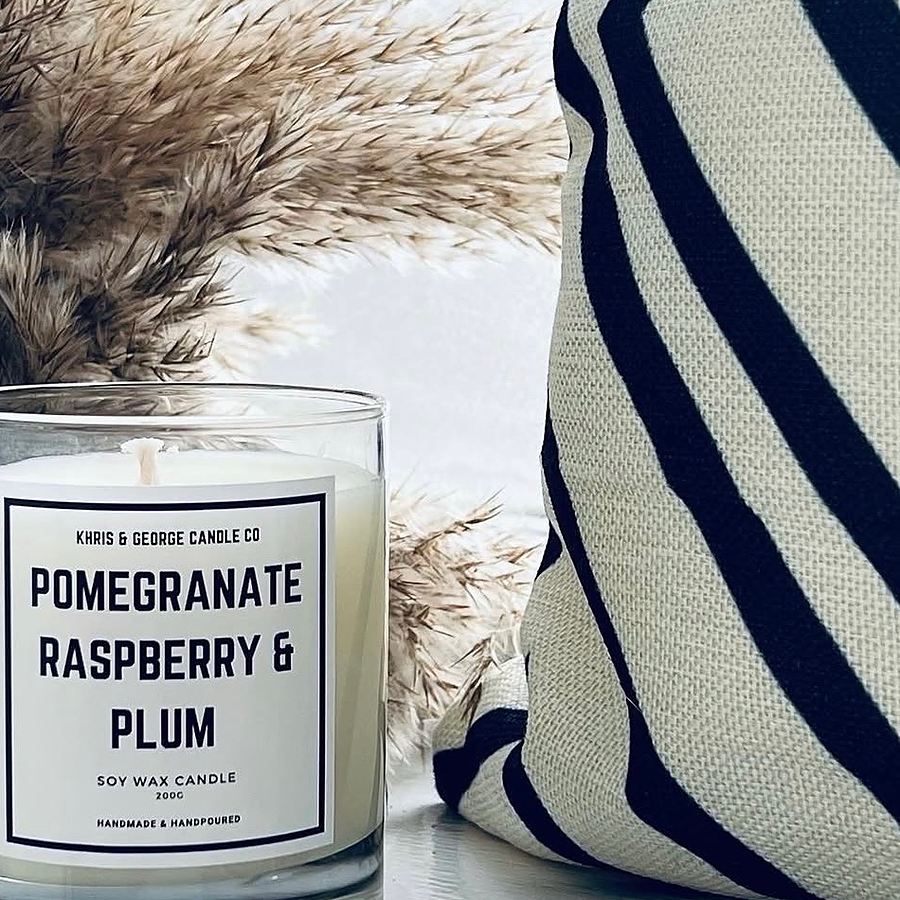
2019 — a kitchen table
Khris had a background in fragrance and no patience for waste. George had a secondhand wax melter bought at auction and a spare weekend. Between them they made forty candles, gave thirty-eight away, and learned that curing time matters more than almost anything else.
The first ten batches went in the bin. The eleventh became the scent we still sell as our signature.
2021 — a proper studio
We outgrew the kitchen and moved into a small unit with better ventilation and a sink deep enough to wash vessels in. Nothing about the method changed: we still weigh by hand, still pour at the same temperature, still label with a steady hand and a slightly crooked eye.
Today
Two of us, one studio, and about six hundred candles a month. We have been asked several times to scale up and have said no each time, because the part we like is the pouring.
Four steps, two weeks, no shortcuts
01 · Blend
Rapeseed and coconut wax melted to 68°C, then fragrance added by weight rather than by eye.
02 · Pour
Poured at 55°C into pre-warmed vessels so the wax cannot pull away from the glass as it sets.
03 · Cure
Two weeks in the dark at a steady temperature. This is the step most candles skip, and you can smell it.
04 · Finish
Wicks trimmed to 5 mm, labels applied by hand, then boxed in recycled card with no plastic.
What we will not do
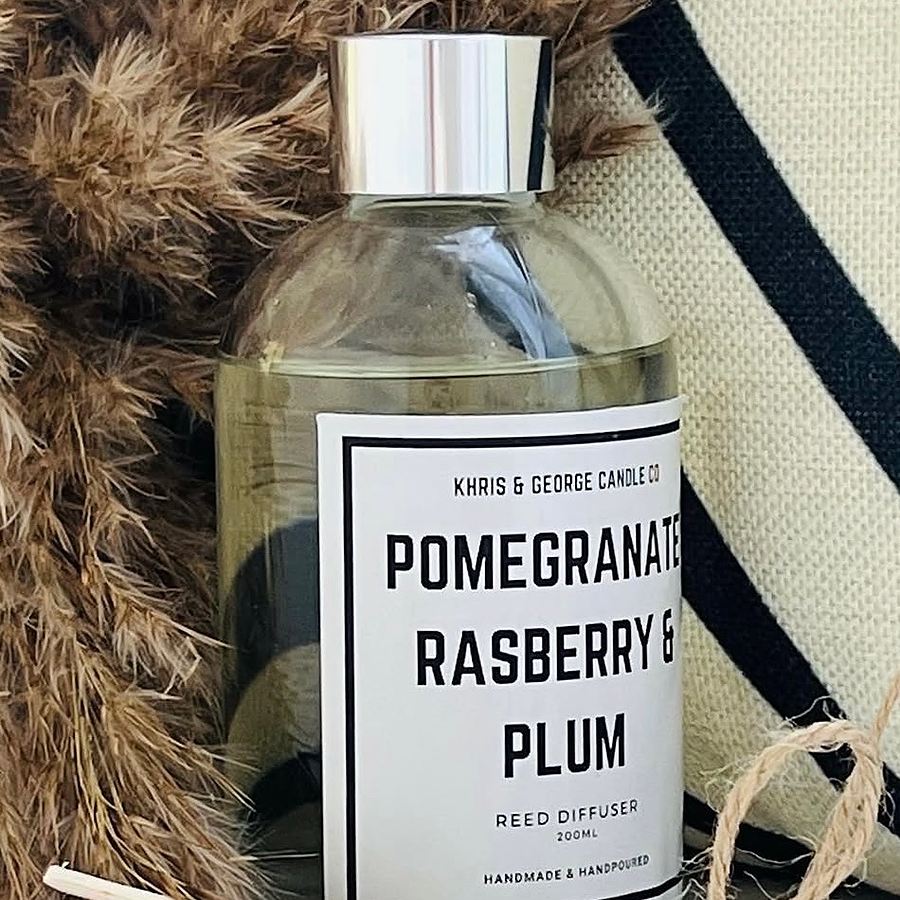
We do not use paraffin, palm wax, or synthetic dye. We do not pour a scent we would not burn at home. We do not put a candle on sale before it has cured, however good the month has been.
Vessels are glass or steel so they can be washed and re-used. Send six empties back to the studio and the seventh refill is free — details on the FAQ page.
“If a batch is not right, it does not leave the studio. That has cost us money and it is the only rule we have never broken.”